
An Arizona state trooper’s arrest report told the court that AI helped write it. A court commissioner then said he could not determine probable cause from the AI police report without the trooper’s original account, which had not been included, and released the driver.
The driver, Anthony Edward Rene Quidera, was arrested Oct. 29 on Interstate 10 in the Phoenix area on charges of DUI, speeding and having an open container, ABC15 reported. The trooper’s narrative alleges a Dodge Charger going more than 100 mph and failing to stay in its lane, the smell of alcohol, bloodshot and watery eyes, six of six cues on the eye-movement test officers use to screen for impairment and a refused preliminary breath test. It ends by saying that the report was generated with assistance from Truleo AI and that all facts and statements are based solely on the officer’s account.
Maricopa County Superior Court Commissioner Daniel Fenzel focused on that last line. He wrote that the alleged facts were “based” on the officer’s original account, which was not included, and that without more information about the AI’s role the court was “unable to determine probable cause at this time.” The release did not decide guilt. Quidera still faces the charges.
Why The Source Of A Probable Cause Statement Matters
After an arrest without a warrant, the Fourth Amendment requires a prompt judicial determination of probable cause before someone can be held for an extended time. That review can rest on written statements, including facts the officer got from other people. The judge decides whether the facts add up to probable cause, and where they came from can bear on that. When a trooper writes that he smelled alcohol, the judge reads it as the trooper’s own observation. If software produced or reworded that sentence, the judge has a fair question about how it got there.
What An AI Police Report Disclosure Does Not Tell A Judge
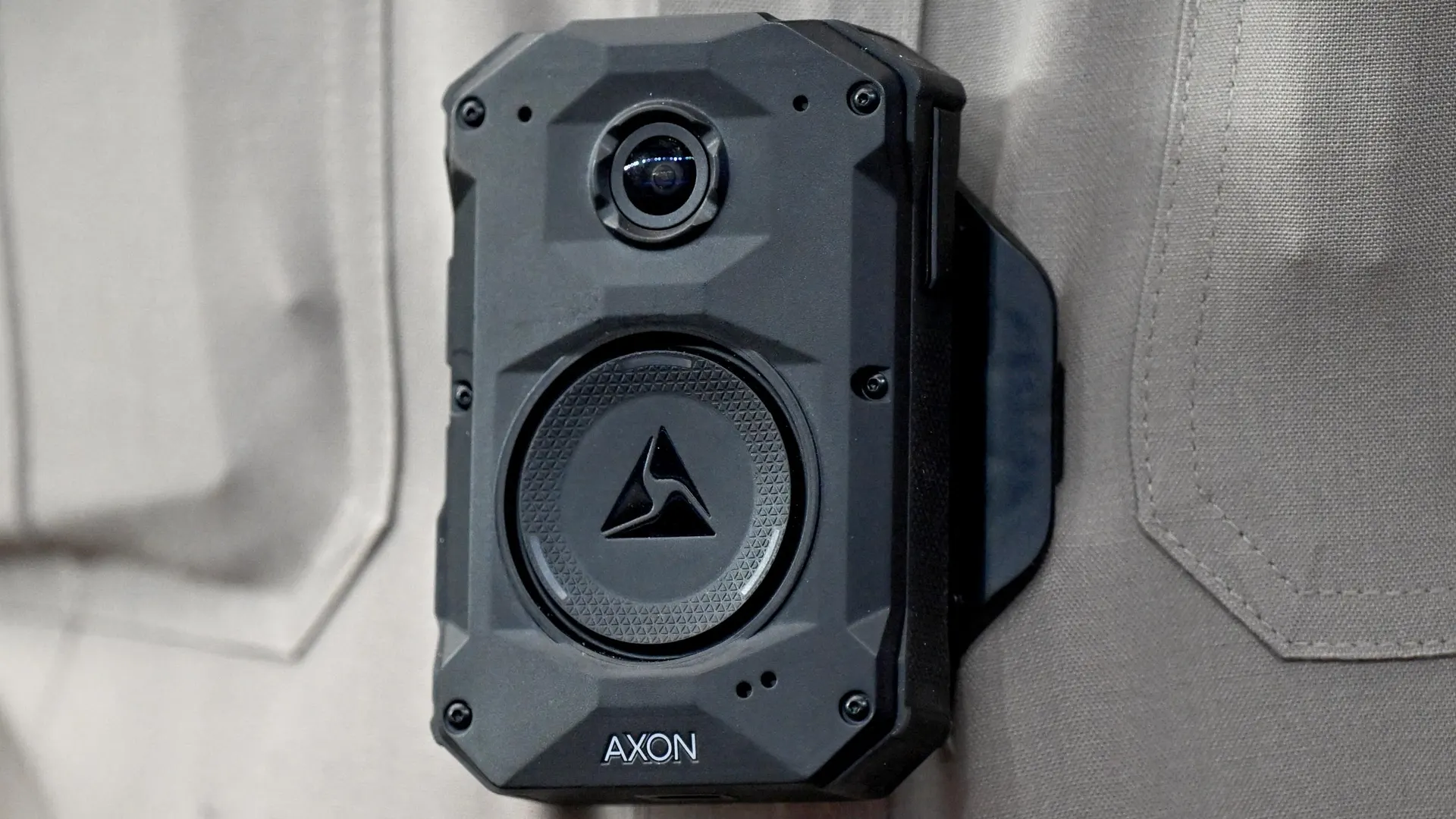
Arizona’s Department of Public Safety has used Truleo since 2024, AZFamily reported. A Justice Department overview describes how tools like Truleo and Axon’s Draft One generally work. The officer uploads body camera footage, the software transcribes the audio and writes a first draft, and the officer fills in gaps, edits and signs. Some tools also draft from an officer’s dictated notes. The coverage does not say what this trooper gave the software.
In the body camera workflow the Justice Department describes, three things are worth keeping apart. The recording holds whatever the microphone picked up. The first draft is what the software made of that audio. The signed report is what the officer approved after his own edits and additions. Whether the first two are kept depends on the system and the agency. A disclosure line tells the judge AI helped. It does not say which sentences it touched or what earlier versions still exist.
Errors in that first draft are real. A Utah police department testing AI report tools had to explain one that said an officer had turned into a frog. Sgt. Rick Keel told FOX 13 that Draft One picked up The Princess and the Frog playing in the background. An impossible claim like that stands out. A plausible one can be harder to spot. In finished prose, the smell of alcohol reads the same whether it came from the trooper, from something he added later or from the software. The coverage does not identify anything in this trooper’s narrative as false.
An Officer’s Signature Matters. So Does The Record Behind It.
Sean Harrington, who directs the AI and legal technology lab at Arizona State University’s law school, told AZFamily he did not think the ruling’s reasoning held up. Nothing in the rules bars officers from using AI on probable cause statements, he said, and officers remain responsible for the facts they include. Arizona guidance, as he described it, favors weighing the reliability of facts over banning the tool.
He is right that the officer answers for what he signs. Whether AI wrote the factual allegations, and how much of them, is what the commissioner said he could not assess from what he had. The source material, the first draft and any edit history can help a court, a prosecutor or a defense attorney assess that.
Even With An AI Report, You Still Need The Original
California’s law goes part of the way. Senate Bill 524 covers tools that draft from camera audio or video and tools that work from dictation. Agencies must label AI-assisted reports, have the officer sign that the facts are true and correct, keep the AI’s first draft as long as the final report and keep an audit trail identifying who used the AI and any audio or video it worked from. That section does not itself require keeping the audio or video. It also says that, except for the final signed report, a draft created with AI is not the officer’s statement.
ABC15 and AZFamily do not say what records exist in the Arizona case or whether they were kept. Where those records exist, laying them side by side can show what the officer supplied and what the software wrote or reworded. A transcript speeds up that review, but an automated transcript is one more machine-made record that has to be checked against the audio. When the process starts from audio, the recording is the reference for what was captured. Anything the officer added later needs its own basis.
I wrote earlier about an English officer who was placed under criminal investigation over the alleged use of AI to create evidence. Without the source, an honest AI mistake and a deliberate alteration can be hard to tell apart on the page. The Arizona case raises a related question at an early court review, in a report the trooper labeled openly.
The trooper told the court that AI helped write his report, and the court still could not find probable cause. The wrong lesson would be that leaving the disclosure off solves the problem. It would not change how a narrative was produced. It would remove a plain notice that should prompt a judge to ask. The next judge who reads an AI police report with no label may not know there is anything to request, and the people in that case can end up judged on a record no one checked against its source.