
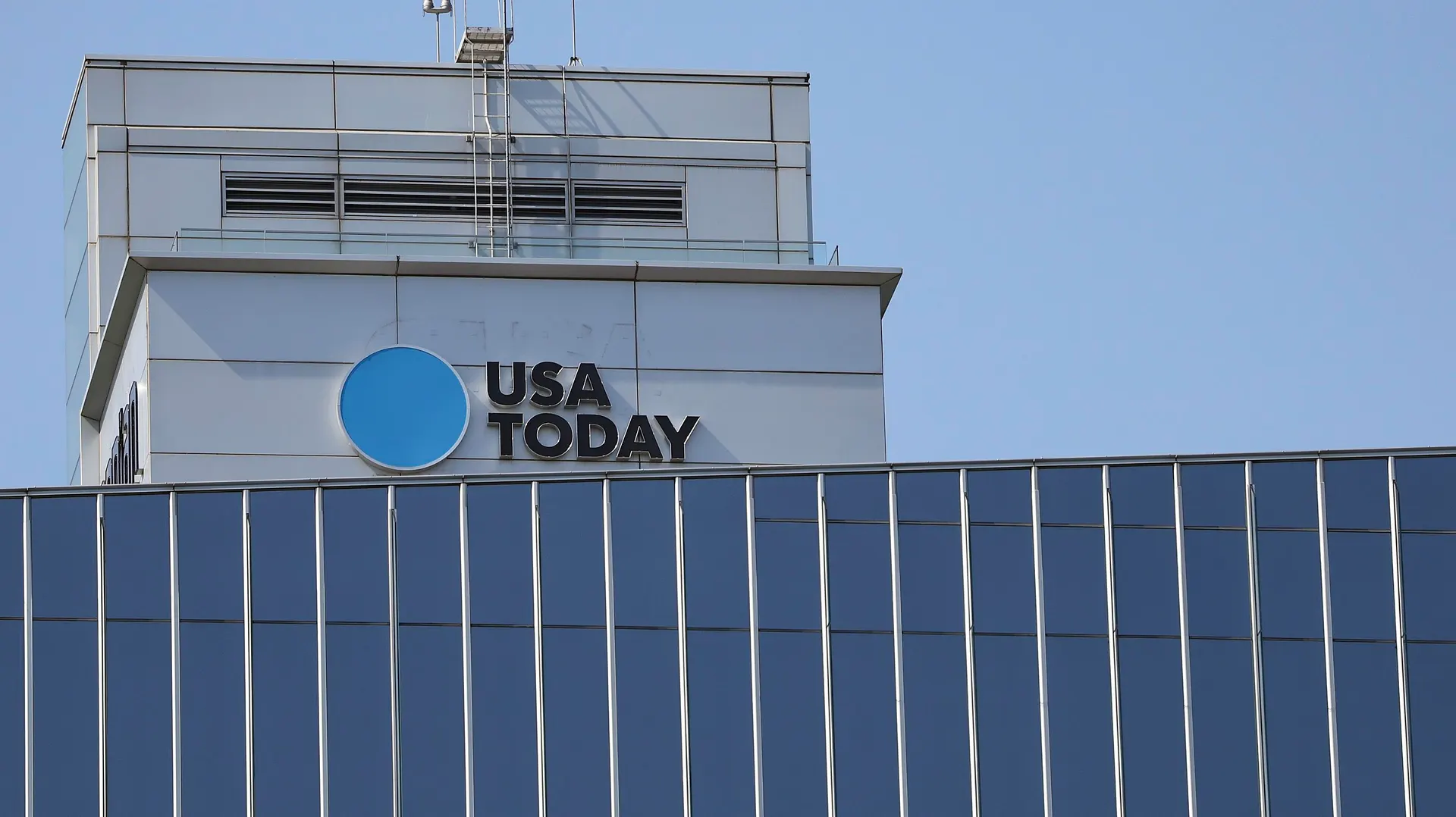
An extortion group that posted files it said came from JPMorgan Chase, Visa and Mastercard this month now says it holds about 166 million user records from the publisher of USA Today. No USA Today data breach has been confirmed, and the group has not released any data to support the claim.
The group, which calls itself n0n, named USA TODAY Co. on its leak site under the company's former name, Gannett, BreachNews reported. Cybernews reported that the USA Today listing carried a countdown of more than 150 hours before the data would be published and included no sample of the data. BreachNews put the deadline at about Dec. 2.
USA Today Data Breach Claim: What n0n Says It Took
According to Cybernews and BreachNews, the listing describes a subscriber identity dataset of about 166 million user records. It also claims subscription and billing records, email marketing unsubscribe and complaint logs, summaries of website visits with location and device details, and scores predicting which subscribers might cancel. The group says it has about 27 million consumer email addresses stored in plain text and 7.7 million registration records for the company's publications.
None of it has been verified. BreachNews said datasets of this kind often hold duplicate and inactive entries, and Cybernews said extortion groups sometimes inflate their claims to pressure victims. As of Nov. 25, none of the named companies had commented or confirmed a breach, and USA TODAY Co. had not filed an SEC disclosure of a material cybersecurity incident, according to BreachNews. Cybernews said it had asked the company for comment.
What Researchers Say About n0n
n0n appeared in mid-September. Bitdefender reported this month that an exposed file server belonging to the group showed it had targeted just over 20 victims, while its leak site listed more than 100. The security firm called the group's image as a potentially significant threat "a false depiction."
Some of its earlier claims were followed by company confirmations. After n0n posted files it said came from Chase, Visa and Mastercard, all three companies confirmed cyber incidents at outside vendors. Chase said customer names and email addresses may have been involved, Mastercard said a limited number of email addresses were exposed and Visa said no payment data was affected.
What USA Today Readers Should Watch For
Cybernews said the larger risk for USA Today readers is targeted phishing, such as messages claiming a problem with an account or a payment. For an email that claims to come from a company you have an account with, the Federal Trade Commission advises contacting the company through a phone number or website you know is real, and not the information in the email.